What Makes a Bedroom and Internal Door Lockout Different
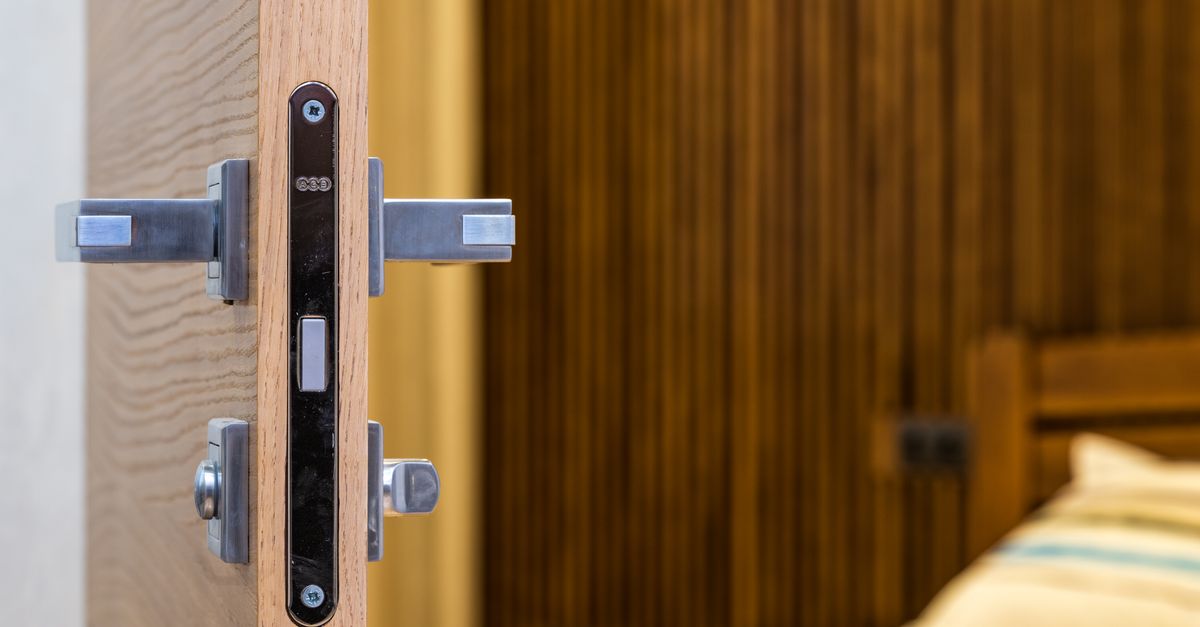
Internal doors in British homes — whether in a Victorian terrace off Streatham High Road or a modern flat near Streatham Common station — are almost never fitted with the same security hardware as a front door. The lock you find on a bedroom or bathroom door is typically a simple tubular latch with a small privacy turn or a coin-slot release on the outside. Some older properties use a basic mortice sashlock, and a small number of internal doors — particularly in houses of multiple occupation or converted flats — may have a Yale-type nightlatch or a euro cylinder fitted for added privacy between rooms or separate tenants. Knowing exactly what type of lock is fitted before work begins is the first thing our technician will establish when they arrive.
Because these locks are not designed to resist forced entry, a practised locksmith does not need to drill, kick, or lever the door to open it. The standard approach involves a slim specialist tool inserted through the gap between the door and the frame at the latch position, or through the small release hole that most privacy locks include on the outer face of the handle. This takes seconds in many cases and leaves no mark on the paintwork, the door, or the surrounding architrave. Where a mortice lock is involved the method differs, but our team will always assess the specific situation and explain the approach — and the likely outcome — before touching anything.