Why Keys Snap — and What Happens Inside the Lock
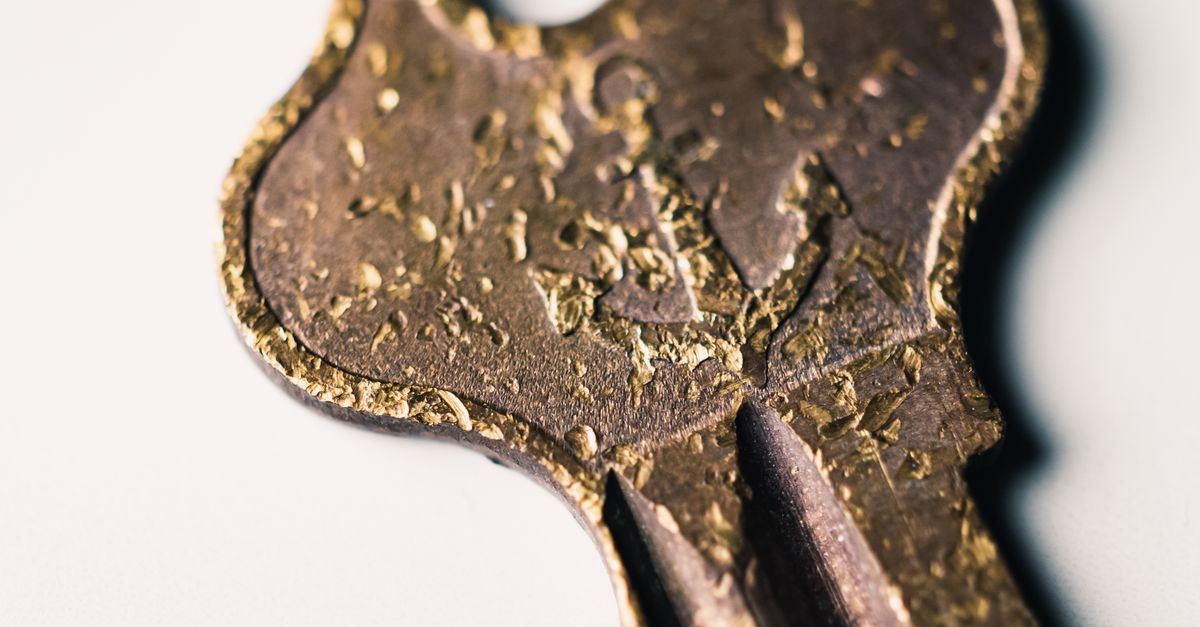
Keys are precision-cut from relatively thin brass or nickel-silver blanks, and every time a key is turned it experiences a small degree of torsional stress. Over months and years, particularly in locks that are stiff, misaligned, or in need of lubrication, tiny stress fractures develop along the blade — usually at the shoulder where the key enters the bow, or at a deep cut near the tip. The snap itself is often the final moment of a long process you could not see. In a nightlatch (the spring-loaded Yale-type lock found on most Streatham front doors), the key shears off with the tip still engaged in the plug. In a 5-lever mortice deadlock — the type insurers commonly ask for under BS3621 — the broken section can wedge itself across one or more levers, making extraction trickier without the right tools. In a euro cylinder, common on uPVC and composite doors throughout SW16, the broken piece sits inside the narrow plug channel and can be pushed deeper by an inexperienced attempt to dig it out.
Understanding which lock type holds the broken fragment is the first thing our technician assesses on arrival, because the approach differs meaningfully for each. A nightlatch extraction is usually quicker; a 5-lever mortice with a deeply embedded tip requires a different set of picks and hooks; a euro cylinder may in some cases need the cylinder removed from the door furniture before the fragment can be safely cleared. The goal in every case is to recover the fragment without scoring the plug, damaging the levers, or distorting the keyway — because a lock that is undamaged after extraction can go straight back into service.