Why Locks Fail: Common Causes Behind a Stiff or Jammed Mechanism
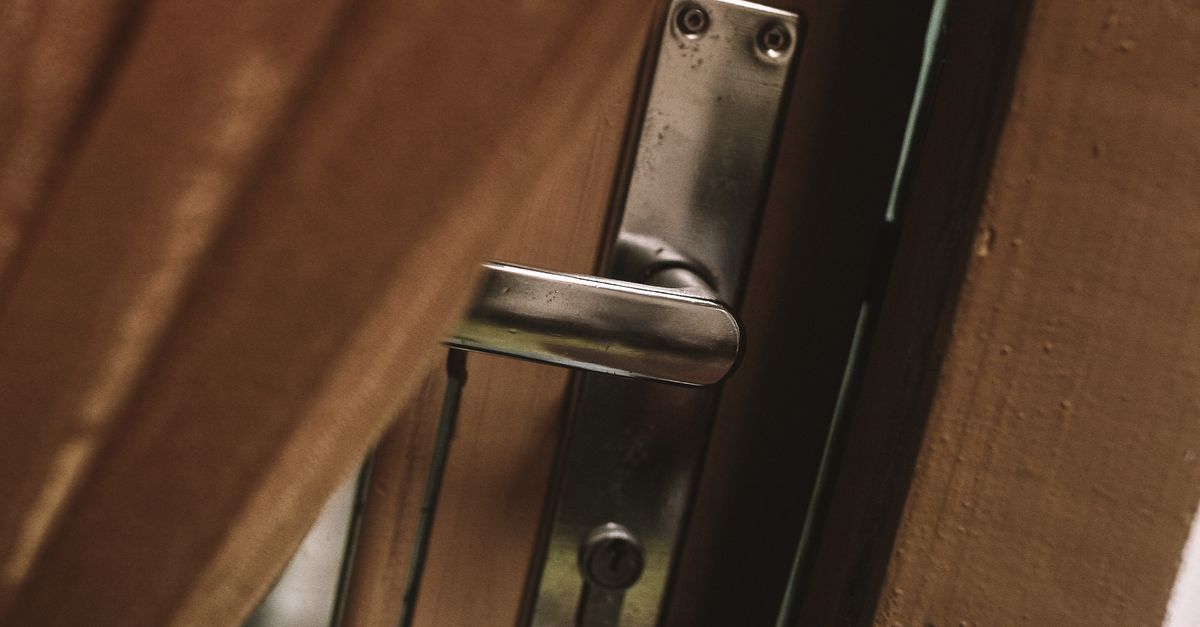
Locks do not usually fail without reason. The most common culprits are wear over time, lack of lubrication, a build-up of debris inside the keyway, a misaligned door or frame, and damaged internal components such as a worn cam, a broken lever spring, or a corroded bolt. In Streatham, older properties — particularly the Edwardian and Victorian terraces that make up much of the housing stock around Streatham Vale and Mitcham Lane — often have original or early-replacement mortice deadlocks fitted decades ago. These 5-lever mechanisms can still perform well, but eventually the levers weaken or the bolt becomes sluggish because the door has dropped slightly on its hinges, shifting everything fractionally out of alignment. uPVC and composite doors present a different set of problems: their multipoint locking systems contain several hooks, bolts, and rollers that must all engage simultaneously, so if the door has sagged or the hinges have compressed, the handle lifts but the mechanism will not fully throw, leaving you stranded or, worse, leaving the door insecure without you realising it.
Euro cylinders fitted to those same uPVC doors can also stiffen if the cam that drives the bolt is worn, if the cylinder has been damaged by a previous attempted attack, or if the wrong length of cylinder was originally fitted and the fixing screw is pressing against the cam. Rim locks and nightlatches on older front doors — a very common sight on Streatham's converted flats and HMOs — have their own failure patterns: the snib mechanism jams, the latch does not retract, or the case body has cracked internally. Cam locks fitted to communal letterboxes and internal cabinet doors seize when the small rotor wears or the spring loses tension. Each of these fault types has its own repair approach, which is why accurate diagnosis before any work starts is so important.