How uPVC Multipoint Locks Fail — and Why Streatham Doors Are Especially Vulnerable
A standard uPVC door on a Streatham terrace or ground-floor flat typically uses a multipoint mechanism that stretches the full height of the door edge. When you lift the handle, a central gearbox drives a series of shoot-bolts, hook bolts and a main latch simultaneously. That is elegant engineering, but it means a single failed component inside the gearbox can render the entire lock inoperable. Cold winters followed by warm summers cause the door slab to expand and contract slightly; on older properties along Streatham High Road or the period conversions near Streatham Common station, doors that were originally hung perfectly can develop a slight drop over time, placing the mechanism under stress it was never designed to handle. That stress accelerates wear on the gearbox's internal nylon and steel parts until something gives.
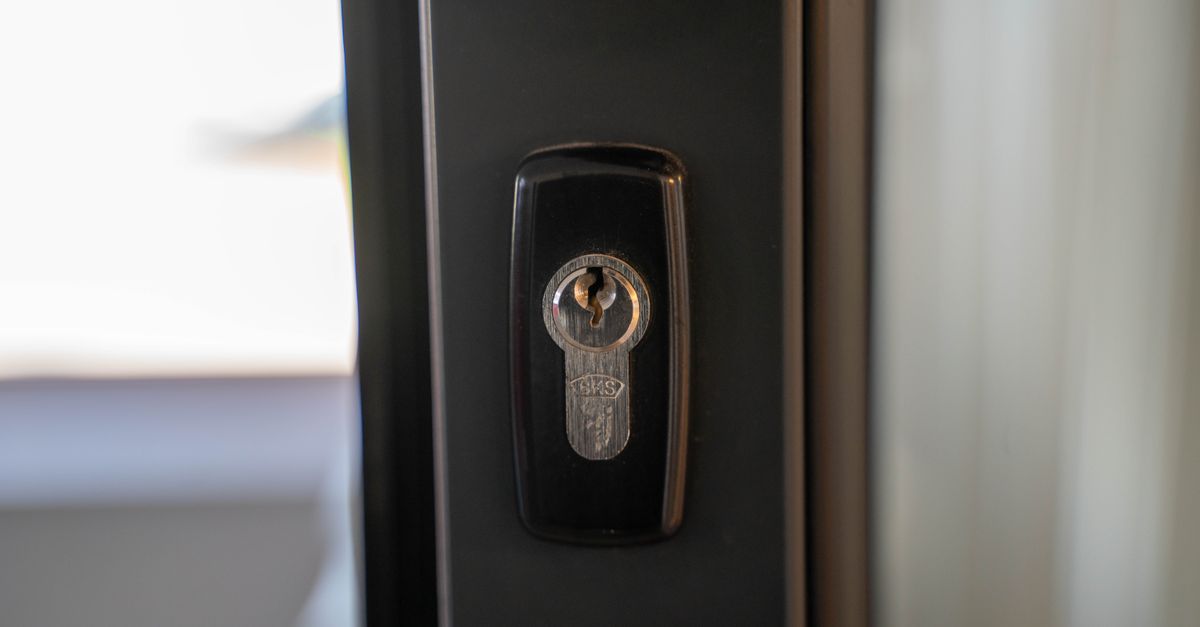
[4] The most common faults we attend in this area are: a snapped or stripped gearbox cam (the rotating part that connects handle movement to the bolt system); worn or cracked hook bolt carriers that allow the hooks to drop out of alignment; a seized central deadlock driven by a compromised euro cylinder; and broken shoot-bolt rods — the slim connecting rods that run up and down the door edge. Patio and French doors, which slide or swing open repeatedly in garden-facing flats and houses off Streatham Vale, also suffer from roller-cam wear and misaligned keeps in the door frame, which can make the door lock feel stiff or completely immovable. Identifying the correct fault quickly is what allows us to source the right replacement part and complete a proper uPVC door lock repair rather than simply swapping parts at random.